How Much Does a New Roof Cost in 2026? – Complete Price Breakdown
A new roof costs between $9,500 and $18,000 on average in 2026 for a standard 2,000 sq ft home with architectural asphalt shingles, including materials, labor, and tear-off. Total costs range from $5,800 for a small simple roof to over $30,000 for large or premium material installations. Use our free Roofing Cost Calculator to get an instant estimate based on your specific roof size, material, and complexity – or use the tables below for a quick reference.
Average New Roof Cost in 2026 by House Size
Roof size is the primary driver of total cost. These estimates assume architectural asphalt shingles – the most common residential choice – with standard labor and one layer of tear-off:
| Home Size (sq ft) | Estimated Roof Area | Low Estimate | Average | High Estimate |
|---|---|---|---|---|
| 1,000 sq ft | 1,100-1,300 sq ft | $5,800 | $8,500 | $12,000 |
| 1,200 sq ft | 1,300-1,550 sq ft | $6,500 | $9,500 | $13,500 |
| 1,500 sq ft | 1,650-1,950 sq ft | $7,500 | $11,000 | $16,000 |
| 1,600 sq ft | 1,750-2,100 sq ft | $8,000 | $11,500 | $17,000 |
| 2,000 sq ft | 2,200-2,600 sq ft | $9,500 | $14,000 | $20,000 |
| 2,200 sq ft | 2,400-2,850 sq ft | $10,500 | $15,500 | $22,000 |
| 2,500 sq ft | 2,750-3,250 sq ft | $12,000 | $17,500 | $25,000 |
| 3,000 sq ft | 3,300-3,900 sq ft | $14,000 | $21,000 | $30,000 |
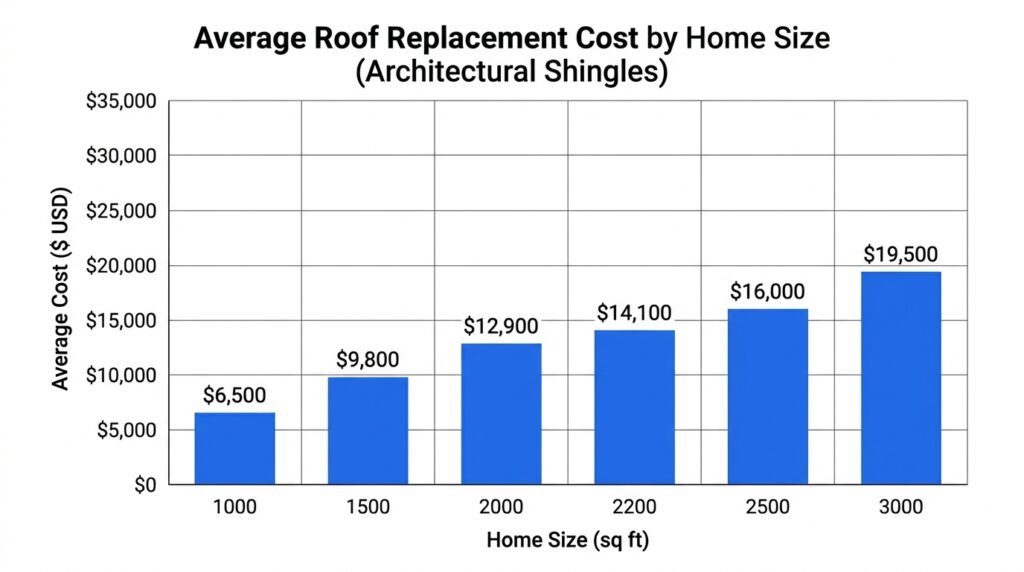
Note: Roof area is larger than home square footage because the roof slopes outward beyond the footprint and pitch increases surface area. A 2,000 sq ft home typically has 2,200-2,600 sq ft of actual roof surface depending on pitch.
New Roof Cost by Material in 2026
Shingle material is the second biggest cost driver after roof size. These estimates are for a 2,000 sq ft home (approximately 22-24 squares of roof area):
| Roofing Material | Material Cost | Labor Cost | Total Installed | Lifespan |
|---|---|---|---|---|
| 3-Tab Asphalt | $2,200-$3,600 | $4,000-$6,000 | $6,200-$9,600 | 15-25 years |
| Architectural Asphalt | $3,300-$5,000 | $5,000-$8,000 | $8,300-$13,000 | 25-50 years |
| Metal (standing seam) | $9,900-$13,200 | $7,700-$11,000 | $17,600-$24,200 | 40-70 years |
| Wood Shake | $8,800-$13,200 | $8,800-$13,200 | $17,600-$26,400 | 20-30 years |
| Clay/Concrete Tile | $19,800-$26,400 | $13,200-$17,600 | $33,000-$44,000 | 50+ years |
| Slate | $26,400-$39,600 | $17,600-$26,400 | $44,000-$66,000 | 75-150 years |
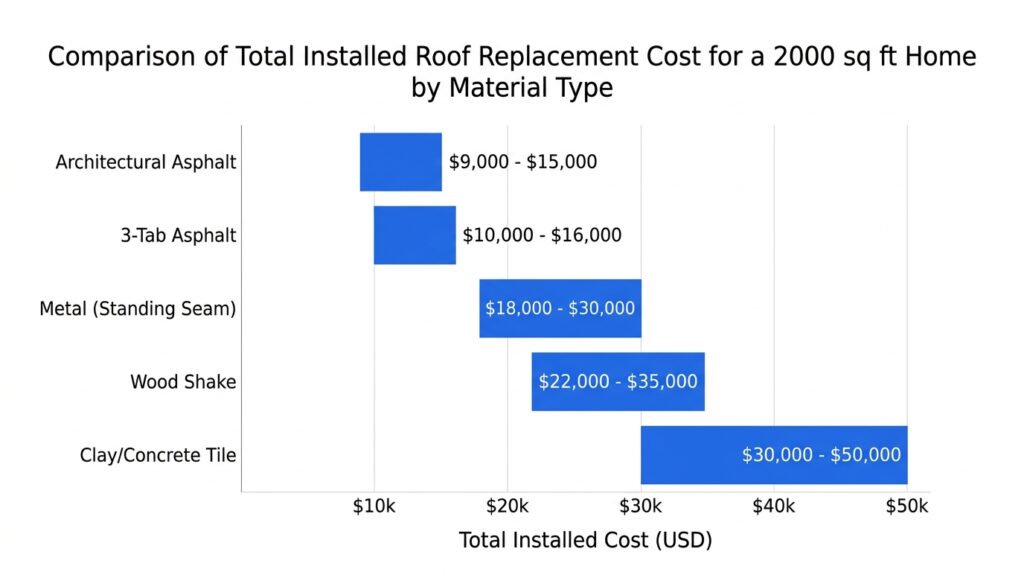
Architectural asphalt shingles dominate the market because they offer the best balance of cost, performance, and lifespan. Metal roofing has grown significantly in popularity for its longevity, though the upfront cost premium is substantial.
What Is Included in a Roof Replacement Cost?
A complete roof replacement quote should include all of the following components:
Materials (typically 40-60% of total cost):
- Shingles (primary material)
- Underlayment and ice and water shield
- Starter strips and ridge cap
- Drip edge and flashing
- Pipe boots and ventilation components
Labor (typically 40-60% of total cost):
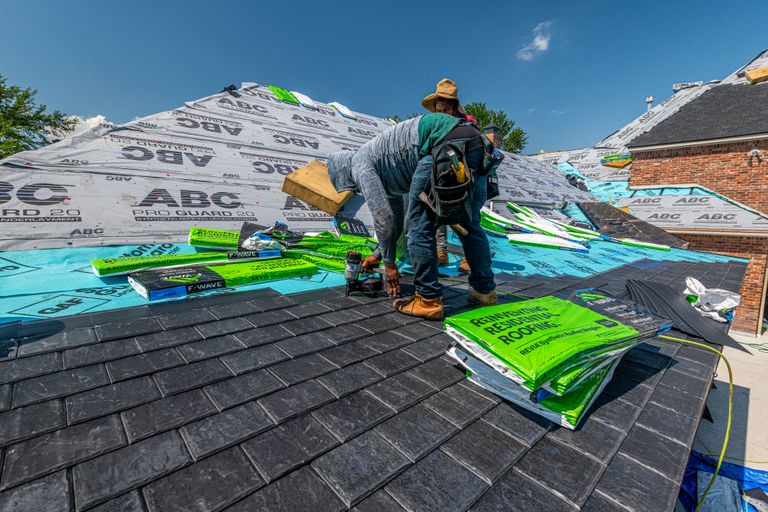
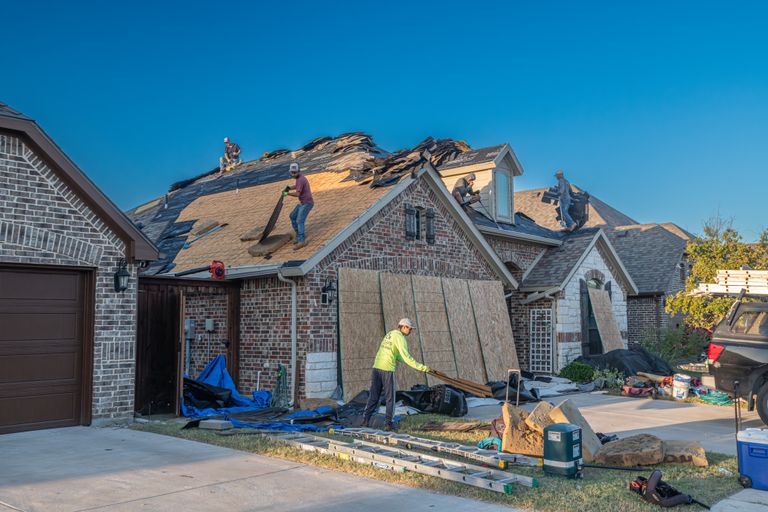
- Tear-off and disposal of existing roof
- Deck inspection and any deck repairs
- Installation of all materials
- Cleanup and haul-away
Additional costs often quoted separately:
- Permits ($150-$500 depending on municipality)
- Dumpster rental ($200-$500 if not included)
- Deck repairs beyond minor fixes ($500-$2,000+ if significant damage is found)
- Additional layers of tear-off if more than one existing layer ($500-$1,500 extra)
Always ask for an itemized quote. A quote that bundles everything without breaking out materials vs labor vs disposal makes it impossible to compare bids accurately.
Why Is Replacing a Roof So Expensive?
Roof replacement costs have increased significantly since 2020 for several interconnected reasons:
Material costs rose sharply. Asphalt shingles contain petroleum derivatives – when oil prices increase, shingle prices follow. Supply chain disruptions from 2020-2022 further pushed material costs up 20-40% from pre-pandemic levels. Some of those increases have partially reversed but not fully.
Labor is genuinely skilled and physically demanding. Roofing is one of the most physically demanding construction trades, with significant fall risk. Experienced roofing crews are not easy to find, and their labor rates reflect the skill, equipment, and insurance requirements of the work.
Insurance and overhead are substantial. Reputable roofing contractors carry workers’ compensation insurance (critical given the injury risk), general liability insurance, and vehicle/equipment insurance. These costs are passed through to customers. A roofer without insurance quoting significantly below market is a red flag.
Disposal costs are real. A full roof tear-off generates 2-4 tons of waste. Dumpster rental, disposal fees, and the labor to load and haul the debris add $200-$800 to every project.
The combination of higher material prices, skilled labor scarcity, and real overhead costs means roof replacements are genuinely expensive in 2026. Getting 3+ quotes from licensed, insured contractors remains the best way to ensure you are paying market rate rather than a premium.
How to Save Money on a New Roof
Several approaches can meaningfully reduce your roof replacement cost without sacrificing quality:
Get 3+ quotes – Labor pricing varies 20-40% between contractors in the same market. This single step is more effective than any other cost-reduction strategy.
Choose architectural over premium materials – The performance gap between architectural shingles and designer/luxury shingles is smaller than the price gap. For most homes, architectural shingles at $135-$150/square deliver excellent value vs designer shingles at $250-$400/square.
Time your project for fall or winter – Roofing contractors are typically busiest in spring and summer. Off-season projects (October-February in most regions) sometimes come with 5-15% discounts when contractors want to keep crews working.
Avoid adding a second layer – While overlaying new shingles over old saves the tear-off cost ($500-$1,500), most manufacturers void warranties on overlaid installations, and the additional weight can stress your roof structure. Most contractors recommend full tear-off.
Address it before it fails – Emergency roof replacements after leaks have damaged decking, insulation, or interior ceilings cost significantly more than planned replacements. Acting at the first sign of significant shingle wear avoids the most expensive repair scenarios.
Frequently Asked Questions
Get Your Personalized Roof Cost Estimate
The ranges above are national averages. Your actual cost depends on your roof’s exact dimensions, pitch, complexity, local labor rates, and chosen materials. Use RoofCalcHub’s free Roofing Cost Calculator for an instant estimate based on your specific inputs. For a complete materials breakdown, see our Roofing Material Calculator.